
Culture in the regions

Axis Description
For this axis, the research in the creative economy recognizes the importance of cultural and geographic diversity in economic and social development. It explores the specific dynamics of creative industries in regions, highlighting local resources, cultural traditions and community initiatives. The axis focusses on the creative spirit of individuals who often have to deal with more limited resources. It also aims to strengthen regional cultural ecosystems, foster social inclusion and promote local talent at provincial, national and international levels.
Head
 Julie Bérubé (Ph.D.)
3 Practice Environments
X CLOSE
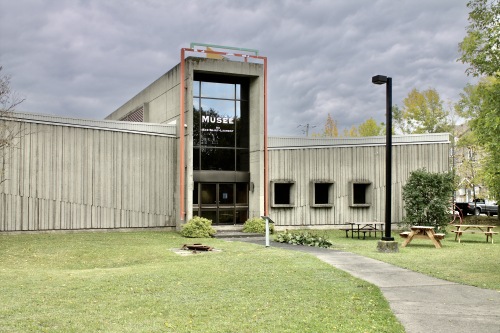
Johanne Munger, Église Sainte-Amélie Museum in Baie-Comeau
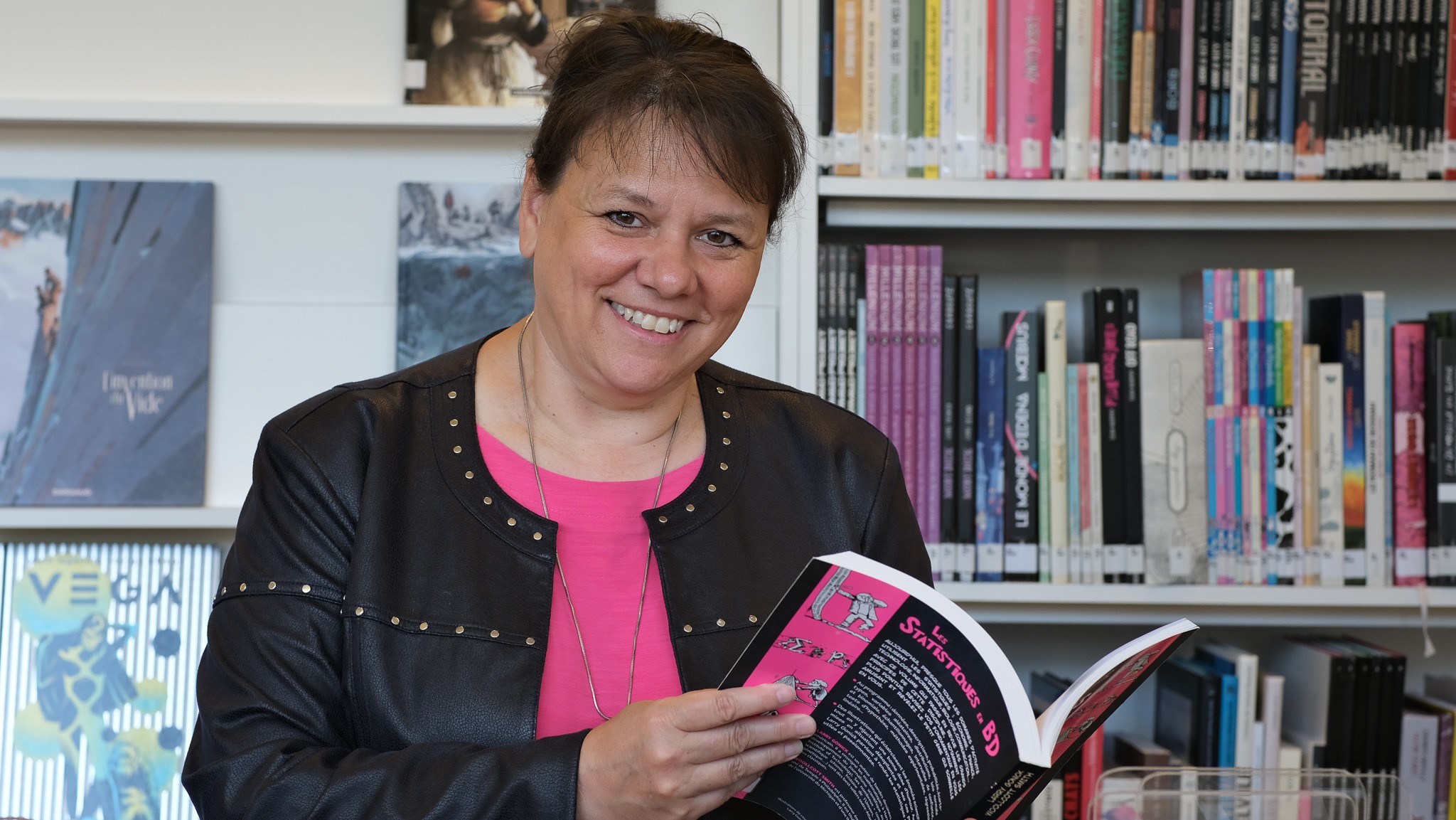
Passionate about education, skills development, and culture, I have devoted 33 years to supporting students, teachers, and administrators throughout their educational journeys. I hold a bachelor’s degree in arts education and a graduate diploma in educational administration. For 28 years, I worked at the Centre de services scolaire de l’Estuaire, where I held various positions, including teacher, pedagogical advisor, assistant principal, and principal of Polyvalente des Baies.
These experiences allowed me to develop strong expertise in school leadership, pedagogical support, and project management. I now continue this mission as a training advisor at Université du Québec à Rimouski (UQAR), at its Baie-Comeau campus. In this role, I actively contribute to the development of the university’s academic offerings and to the establishment of the new campus, ensuring that programs and services meet the realities and needs of the community.
In a volunteer capacity, I serve as President of the Musée de l’église Sainte-Amélie de Baie-Comeau, an artistic and heritage gem of the Côte-Nord region. I work to enhance the visibility of this unique site by strengthening its cultural and community mission, organizing inclusive activities, and building partnerships. My involvement includes fundraising, cultural mediation, and the creation of experiences that make this heritage accessible to the public.
Firmly convinced that education and culture are powerful drivers of transformation, I am committed to a human-centered approach rooted in my community. Working for and with my region is a great source of pride, and I devote all my energy to it.
X CLOSE
Martin Roussy, Musée de la Gaspésie
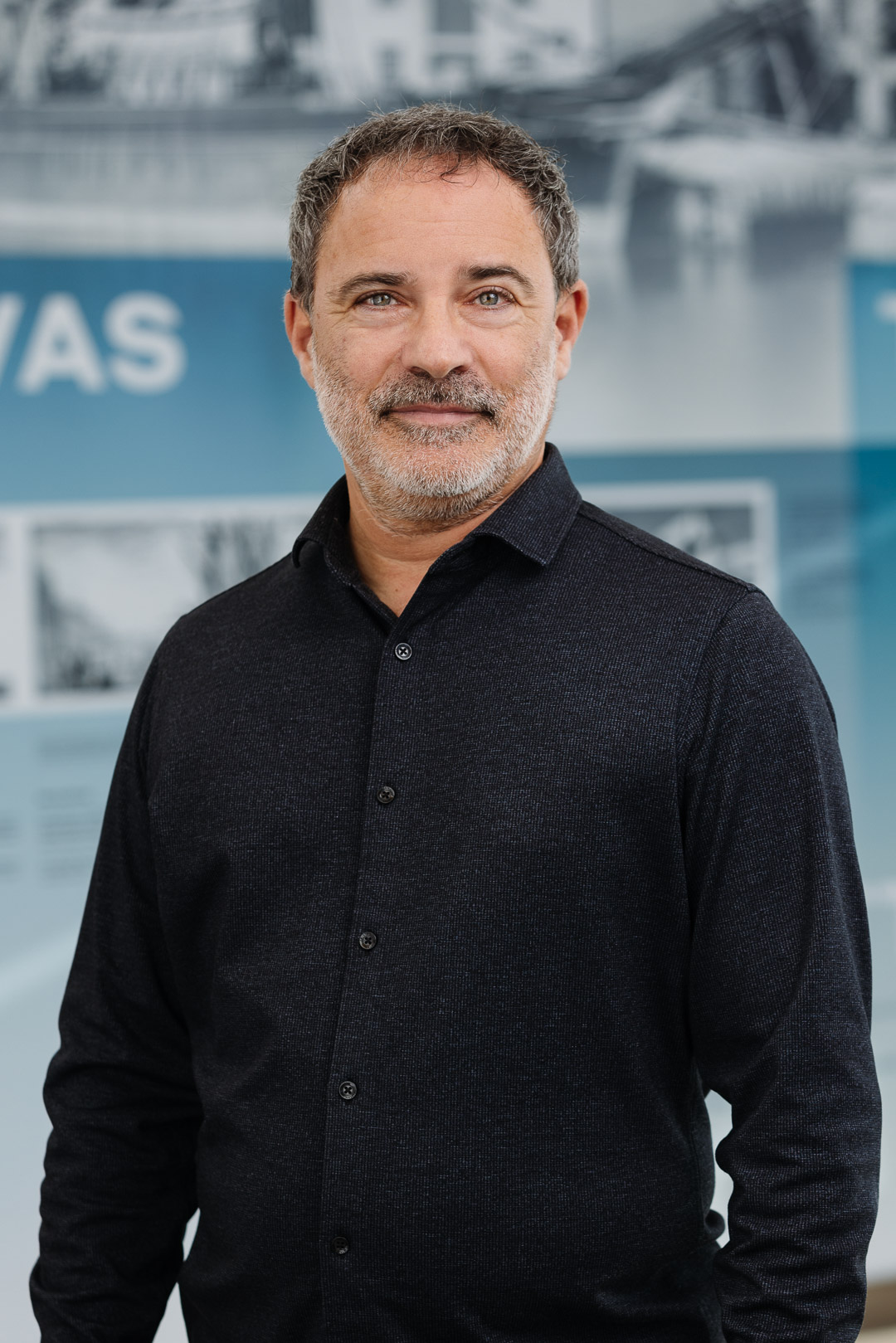
I have worked as a cultural manager for more than 30 years in theatre, television, variety and radio, before joining the museum sector in 2019 as the 8th Executive Director of the Musée de la Gaspésie. At Radio Gaspésie, where I served as General Manager, the team grew from 12 to 16 full-time employees and revenues increased by 25%. The station received several awards, including Community Station of the Year in 2015 and the Social Economy Enterprise prize in 2017. I was personally honoured with the Prix Résonnance for my contribution to the community radio network.
In Montréal, I was the right-hand man of producer Guy Latraverse, with whom I produced television programs for the Francofolies de Montréal, the Grand Rire de Québec, various series and documentaries, as well as around thirty plays and major cultural events, including Montréal’s 350th anniversary celebrations. I headed Théâtre Il va sans dire from 1998 to 2003 alongside its founder and artistic director Dominic Champagne, creator of the Beatles LOVE show for Cirque du Soleil.
I hold a diploma in Arts and Media Technology (television) from Jonquière and began my career as assistant director, then director, at TVA Trois-Rivières, before pursuing management training at HEC Montréal and studies in politics and philosophy at Université de Montréal. I have served on several boards of directors and have mentored many professionals in radio, television and theatre.
X CLOSE
Mathieu Lagacé, Culture Lanaudière

Mathieu Lagacé has been working for nearly three decades in cultural, community, and artistic development in Québec. A recognized leader known for his vision, ability to bring stakeholders together, and strategic mindset, he has served since 2025 as Executive Director of Culture Lanaudière, where he oversees the organization’s strategic direction, government relations, and the promotion of the region’s cultural vitality. His work focuses on strengthening connections between artists, institutions, municipalities, and citizens, while also fostering cultural tourism and regional vitality.
Prior to joining Culture Lanaudière, he spent five years as Director of the Department of Culture and Recreation for the City of Notre-Dame-des-Prairies. There, he developed an ambitious cultural program, oversaw an exhibition centre and a performance venue, established artist residencies in the performing arts, and led major infrastructure projects. From 2008 to 2019, in L’Assomption, he managed the Culture and Community Division, notably coordinating the City’s 300th anniversary celebrations, mobilizing over 200 volunteers and supporting some fifty community-led projects.
Holder of a bachelor’s degree in Leisure Sciences from Concordia University, Mathieu Lagacé also has extensive experience in cultural mediation, event production, and governance. Passionate about history, contemporary art, and community development, he has long been involved in various regional and school-based organizations. His career reflects a sustained commitment to creating environments where culture serves as a key driver of social cohesion, identity, and sustainable development.
10 Quebec Universities
X CLOSE
Diane-Gabrielle Tremblay, Université Téluq

Diane-Gabrielle Tremblay, Ph.D., is a full professor at Téluq University (University of Quebec), holder of the Research Chair on Socio-Organizational Issues of the Knowledge Society (Téluq), and held a Canada Research Chair from 2002 to 2016. She is the director of ARUC on age and social times management. She has published hundreds of articles mainly based on research on work-family balance, work organization, telework, communities of practice, coworking, innovation, and labor market transformations.
She has been a visiting professor at many universities internationally, notably in France, Belgium, and Vietnam, and received the Fellow distinction, an honorary title from the Order of Chartered Human Resources Advisors (OCRHA) in 2015; she was appointed a member of the Cercle d’Excellence of the University of Quebec in 2021 and of the Royal Society of Canada in 2022. She has also published textbooks on innovation management, labor economics, sociology of work, work-family balance, and human resource management. She has published in various journals including: Personnel Review, International Journal of Human Resource Management, New Technology, Work and Employment, International Journal of Technology Management, Cities, Canadian Journal of Urban Research, Applied Research on Quality of Life, Review of Social Economy, Employees Responsibilities and Rights Journal, Social Indicators Research, Journal of Work Innovations, Canadian Journal of Communication, Canadian Journal of Regional Science. She is often invited to comment on current issues related to work, employment, and remote work in various media outlets, including CBC and Radio-Canada.
X CLOSE
Frédéric Laurin, UQTR

Frédéric Laurin is Professor of Economics at Université du Québec à Trois-Rivières and a member of the Research Institute on SMEs (Institut de recherche sur les PME, INRPME). His research includes work on regional economic development, regional entrepreneurship, SME internationalisation and the distribution of wines and alcohols in Quebec.
As a researcher, he also worked with such institutions as Caisse de dépôts et de placements, Investissement-Québec and Canada Economic Development (DEC-CED). He is one of the founders of GROUPÉ –Mauricie-Rive-Sud, a group of business leaders of the Mauricie region that aims to encourage the region’s economic development.
X CLOSE
Hamed Motaghi, UQO

Hamed Motaghi is an Associate Professor of Business Technology Management at the Université du Québec en Outaouais (UQO). He also serves as Managing Director of the International Entrepreneurship Knowledge Hub (IEKH) at McGill University and as Chair of the Business Technology Management Governing Council. He is an active founding member of the Centre for Media and Society at HEC Montréal. Professor Motaghi is a co-applicant researcher and member of the Centre interdisciplinaire de recherche et d’innovation en cybersécurité et société (CIRICS). He is also a co-applicant researcher with the Culture in the Regions Axis of the Chair in Creative Economy and Well-Being (CREAT), and a member of the Institut multidisciplinaire en cybersécurité et cyber-resilience (IMC²). Prior to joining UQO, he was a postdoctoral fellow at the Desautels Faculty of Management at McGill University.
He holds a PhD with distinction from a joint doctoral program administered by the Université du Québec à Montréal (UQAM), where his dissertation examined the relationship between creativity and information technology. He also earned a master’s degree from Université Paris-Dauphine and an engineering degree from Université Pierre et Marie Curie in Paris, France. In addition, he has held adjunct faculty positions at UQAM, TÉLUQ, the Royal Military College of Canada, McGill University, HEC Montréal, and Lawrence Technological University in Michigan, USA. In his academic career, Professor Motaghi has extensive hands-on experience in distance, hybrid, and on-campus education. He has designed and delivered courses in both English and French in Canada, the United States, and Malaysia, and has supervised MBA, MSc, and PhD students. His research interests focus on information systems management, innovation and creativity, creative and cultural industries, IT-driven transformation, disruptive technologies, and the role of technology in entrepreneurship and the internationalization of firms.
X CLOSE
Jean-Charles Andrieu de Lévis, UQO
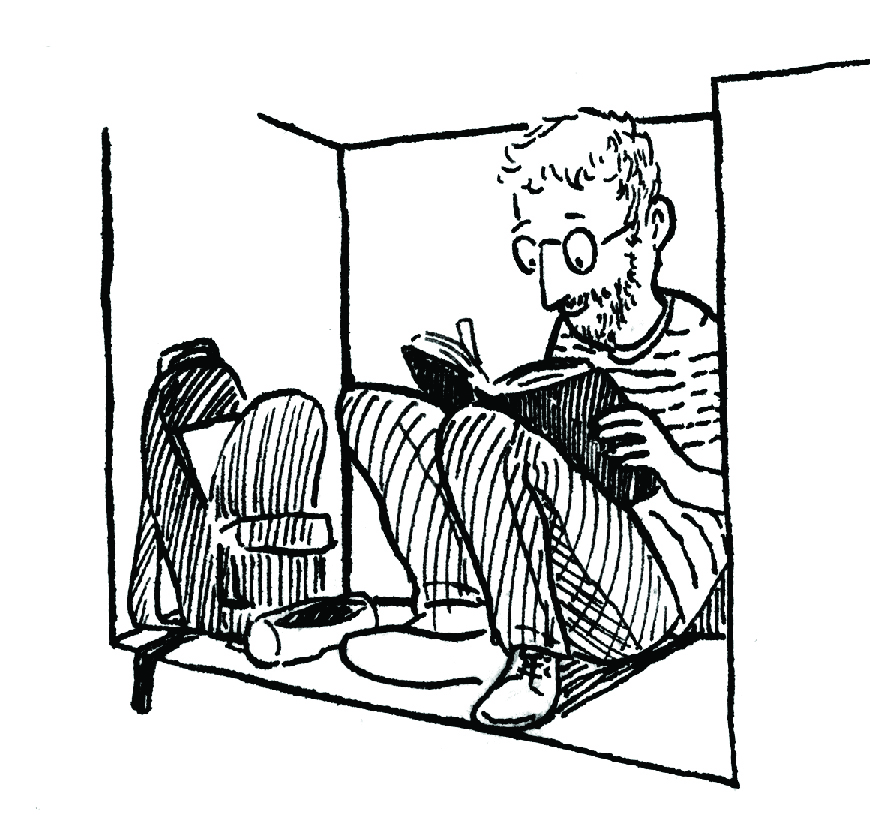
Jean-Charles Andrieu de Lévis is a professor of comics studies at the Université du Québec en Outaouais, within the École des Arts et Cultures. After completing a master’s thesis on abstract comics, he focused during his doctoral research on the stylistic evolution of comics in France and the United States throughout the 1960s and 1970s. Combining cultural and aesthetic approaches, his current work mainly examines contemporary comics in which artists explore new forms of expression.
X CLOSE
Julie Rijpens, UQAM

Julie Rijpens is a professor at the School of Management at the Université du Québec à Montréal (ESG UQAM). She has been teaching and conducting research in social economy, social and collective enterprise management, and social innovation for nearly 20 years. After obtaining a PhD in Management Sciences from the University of Liège (Belgium) in 2014, she joined McGill University for a postdoctoral fellowship in social innovation.
Her research interests include the economic and governance models of the social economy and nonprofit sector, the contributions of the social economy to the circular economy, the contribution of alliances between arts and research to realizing the potential of social innovation, and the impact assessment in cultural organisations. Her research has been published in several edited books and journals. Julie Rijpens is also involved in knowledge mobilization and transfer activities with practitioners, notably through her participation in collaborative research projects. She is a member of the research team in management of social and collective enterprises (GESC), an associate member of the Centre for Research on Social Innovations (CRISES, Social and Collective Organizations axis), a member of the Research Network in Social and Solidarity Economy (RRESS), a member of the Quebec Circular Economy Research Network (RRECQ) and an associate researcher at the Centre for Social Economy of the University of Liège (Belgium).
X CLOSE
Laurent Dambre-Sauvage, UQAR
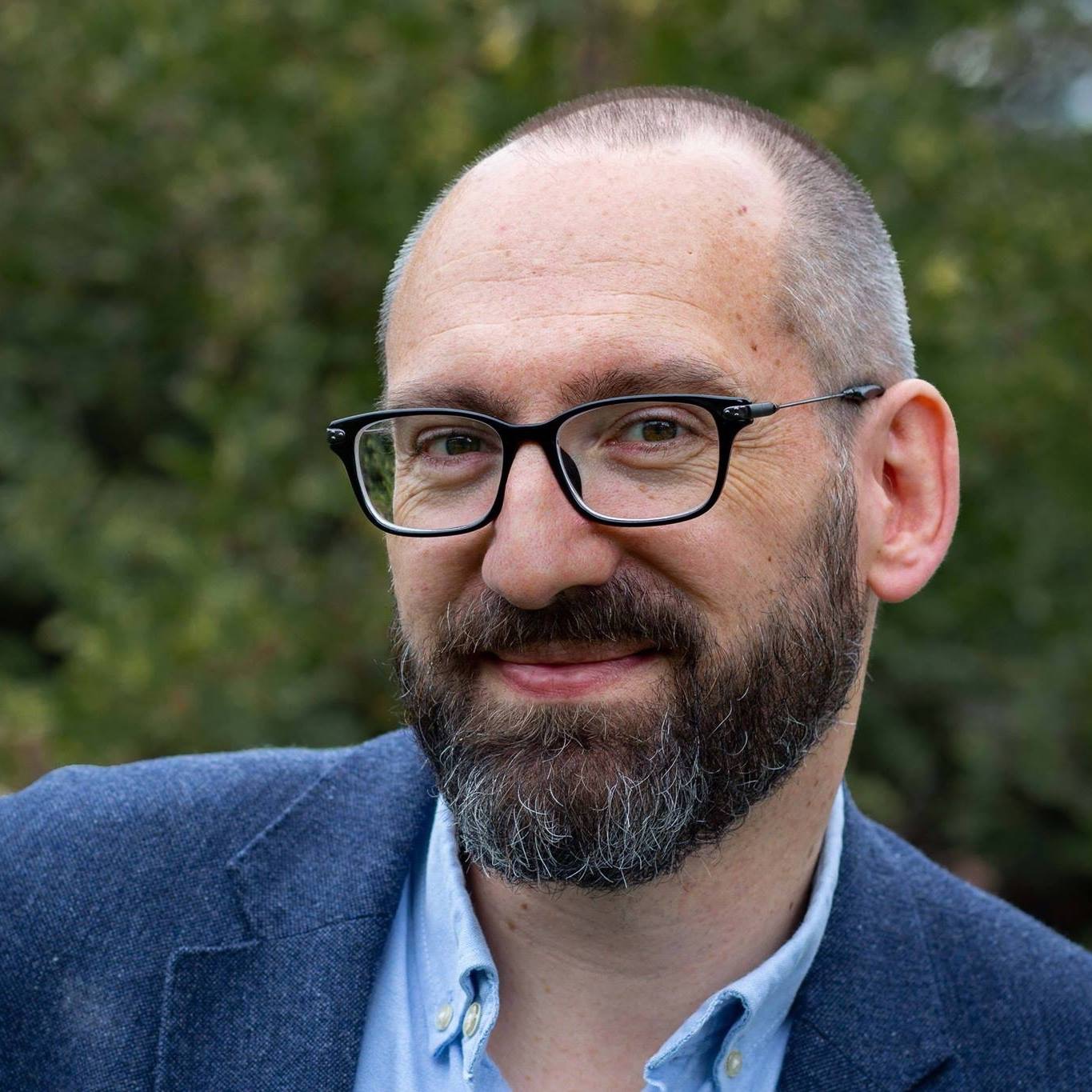
Laurent Dambre-Sauvage is a Professor of Territorial Studies and Regional Development at the Université du Québec à Rimouski. His work lies at the intersection of cultural geography, sociology of culture, and territorial studies. He examines the relationships between cultural practices, heritage, and the transformation of living environments, with particular attention to rural, coastal, and peripheral regions. His research program focuses on the contribution of the arts, culture, and heritage to territorial vitality, the construction of socio-territorial identities, the strengthening of place attachment, and the emergence of new forms of local governance. Using qualitative and participatory approaches, he studies processes of cultural coordination, cultural commons, and the role of local actors in the making of territories and contemporary ways of inhabiting them.
His fieldwork is conducted primarily in Eastern Quebec and the Maritime provinces, where he investigates cultural vitality in rural communities, maritime heritage, and cultural dynamics linked to local economies. His research offers a spatial reading of contemporary territorial transformations, attentive to the material, experiential, and political dimensions of culture. He is the author of several books exploring culture as a territorial resource, including “Cultural Commons: Reinventing Living Environments in the Saint-Michel Neighbourhood” (with Juan-Luis Klein and Diane-Gabrielle Tremblay) and “Heritage and Local Development” (with Myriam Joannette), published by Presses de l’Université du Québec.
X CLOSE
Marie-Hélène Leblanc, UQO

Holding a PhD in Art Studies and Practices from the Université du Québec à Montréal (2024), Marie-Hélène Leblanc has been Director and Curator of Galerie UQO since 2015 and has served as an Associate Professor at the École des arts et cultures (UQO) since 2025.
Her curatorial practice has led her to produce approximately forty projects presented in various institutions across Quebec, Canada, and Europe. In recent years, she has received the Université du Québec Innovation in Management Award (2025), as well as the Excellence Award (2025) and the Emerging Leader Award (2018) from the Société des musées du Québec.
X CLOSE
Mélanie Boucher, UQO
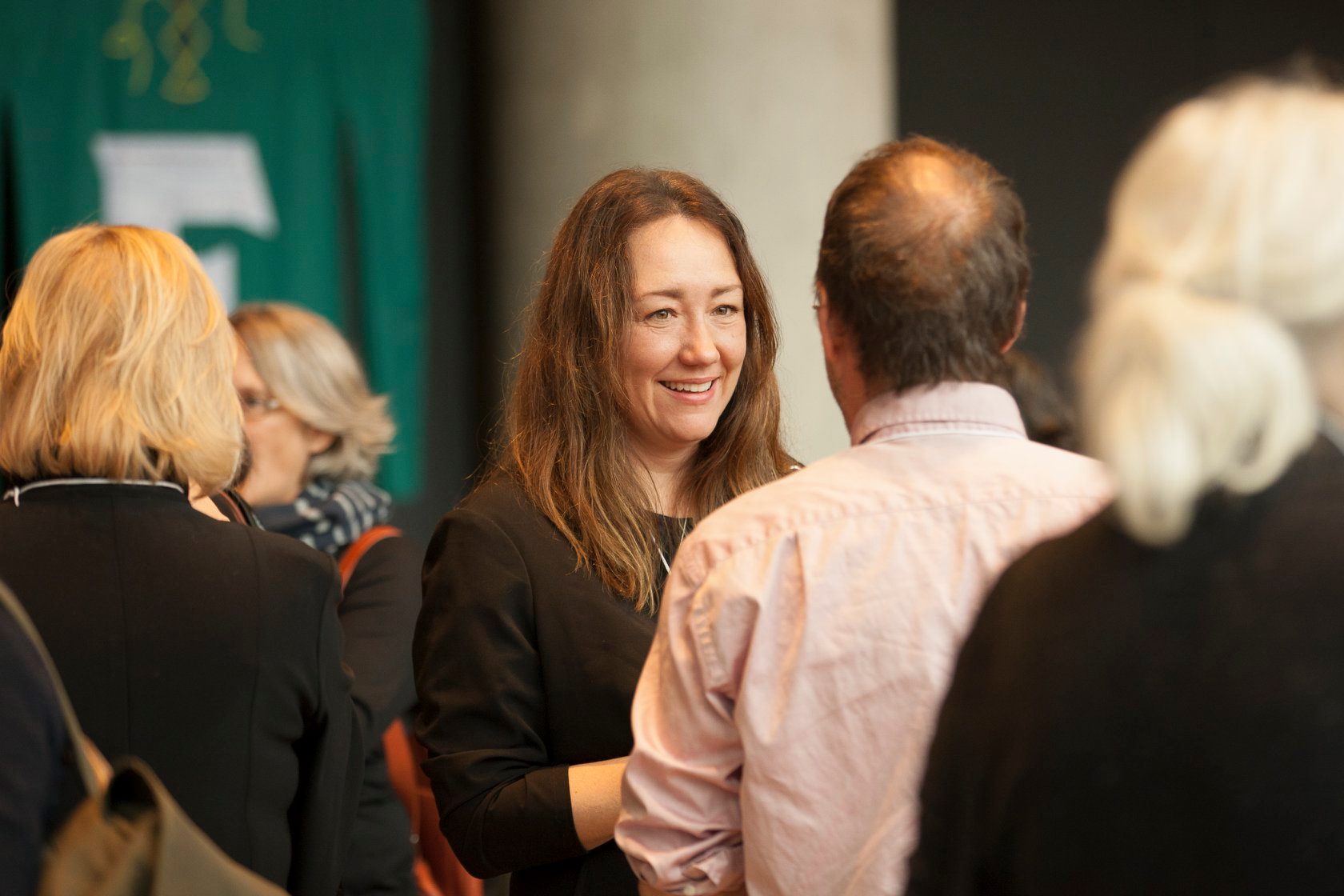
Mélanie Boucher is a researcher specializing in museology and art history, currently a full professor in both disciplines at the Université du Québec en Outaouais (UQO). She is co-founder of the CIÉCO Research and Inquiry Group. In this capacity, she directs the research work of Axis 3 (the expanded collection) of the New Uses of Collections in Art Museums Partnership (SSHRC 2021-2028). At the same time, Mélanie Boucher holds the position of principal researcher with the Équipe Art et musée (FRQSC 2022-2026), a group of researchers, visual artists and exhibition designers from three Quebec universities. Her current research focuses on performative practices and their musealization, as well as on modes of exhibition and presentation induced by contemporary art. In 2023, she co-edited with M. Fraser and J. Lamoureux the book “Réinventer la collection : l’art et le musée au temps de l’évènementiel” (PUQ).
X CLOSE
Serigne Touba Mbacké Gueye, UQAT
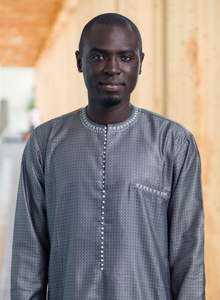
Serigne Touba Mbacké Gueye is an Associate Professor of Social Work at the Université du Québec en Abitibi-Témiscamingue (UQAT). Trained in philosophy, he holds a PhD in Political Science from Université de Picardie Jules Verne (France) and completed a postdoctoral fellowship in Social Work at Université de Sherbrooke. His work is grounded in an interdisciplinary approach at the intersection of philosophy, political science, and social work.
His research focuses on social policies, community development, socioeconomic inequalities, and processes of marginalization. He is particularly interested in issues related to social housing, socio-ecological transition, citizen participation, and the territorialization of culture as a lever for collective development. Drawing on qualitative, phenomenological, and critical approaches, he examines practices and frameworks that contribute to shaping more just and inclusive social environments.
He has led and co-led numerous research projects, notably on philanthropy, collective intervention, and ethnocultural communities. Affiliated with several strategic research groups, he is associated with the Centre de recherche sur les innovations sociales (CRISES), a regular researcher at the Laboratoire de recherche sur les difficultés d’adaptation et l’intervention psychosociale (LAREDAIP), and affiliated with the Institut universitaire de première ligne en santé et services sociaux (CIUSSS de l’Estrie–CHUS). He is also affiliated with the Centre d’études et de recherches sur les transitions et l’apprentissage (CERTA). Deeply committed to training the next generation and to scientific governance, he supervises graduate students and serves as Chair of the UQAT Research Ethics Board.
X CLOSE
Valérie Yobé, École des Arts et Cultures (UQO)
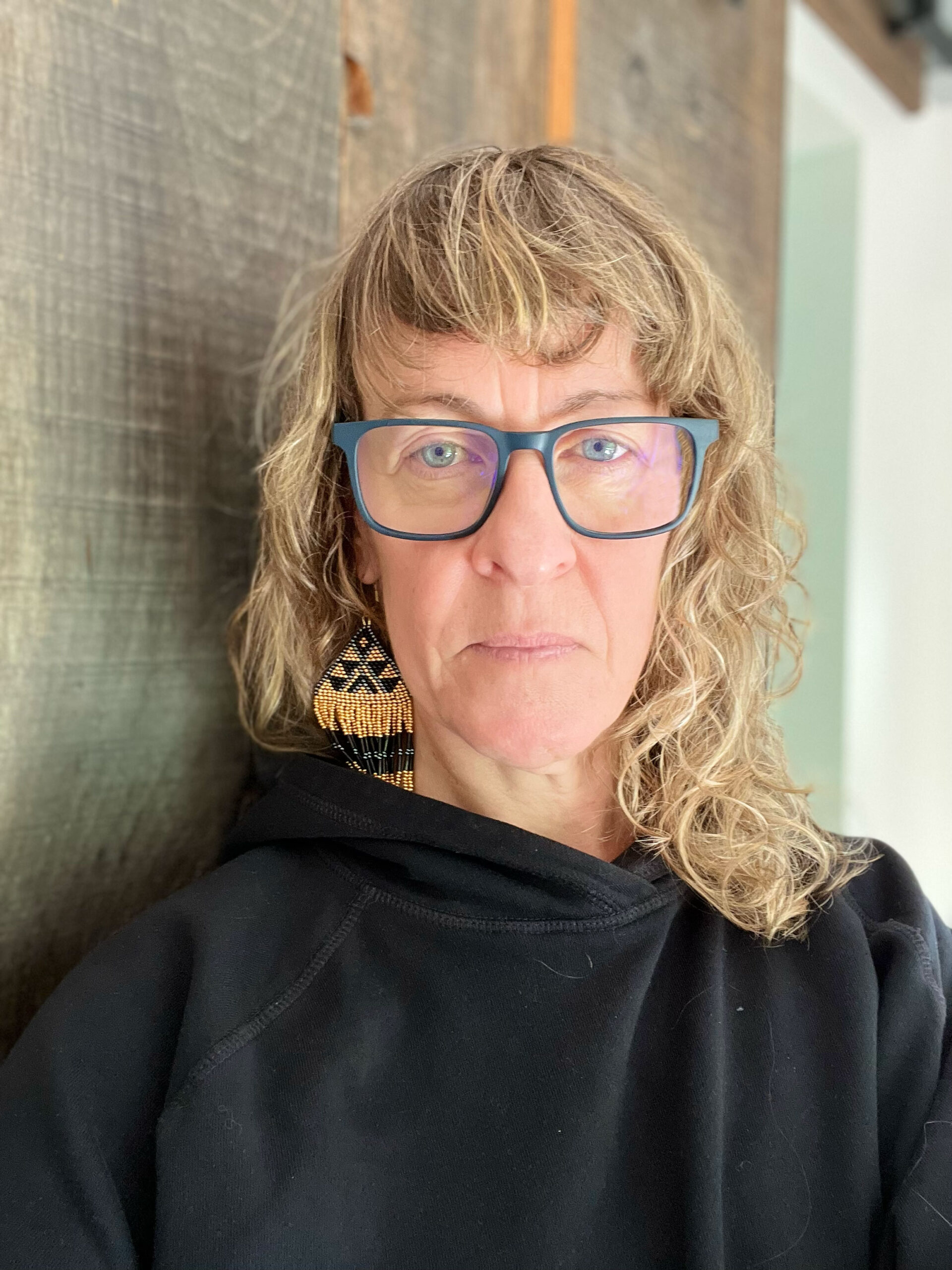
Valérie Yobé, Ph.D., is a full professor at the School of Arts and Cultures (ÉdAC) at the University of Quebec in Outaouais (UQO). In 2014, she founded tribu grafik, a non-profit organization bringing together projects with social and cultural objectives. From 2016 to 2019, she was director of the School of Arts and Cultures (ÉdAC) at the University of Quebec in Outaouais. Her most recent research-creation projects focus on a series of residencies in elementary and secondary school settings, with the objective of implementing socially-oriented graphic design practice within arts education.
Since 2021, she has been a board member of the Social Design Platform. In 2022, she co-published the first book in a series, *Le kit graphique : graphisme citoyen à l’école primaire* (The Graphic Kit: Citizen Graphic Design in Elementary School). That same year, it received the Social Good Design Award in the education category from the Society of Graphic Designers of Canada (RGD). Since 2024, she has been a member of CREAT, the Research Chair in Creative Economy and Well-being – Culture in Regions axis, and since 2025, an associate member of CRISES, the Centre for Research on Social Innovation – Territories and Living Environments axis. In 2025, she published *Aborder la santé mentale autrement en milieu scolaire : coconstruire au-delà des clichés* (Approaching Mental Health Differently in Schools: Co-constructing Beyond Clichés), a collaborative research project in partnership with the Diament Chair, a strategic research chair at UQAM in design for digital mental health.
Grants
FRQSC (Fonds de recherche du Québec – société et culture)
Réseau de recherche en économie sociale et solidaire
Role: Co-researcher Ancrages, développement et retombées de l’économie sociale et solidaire dans les territoires Axis (Axis Header: Marie-Laure Dioh, UQO)
Value: $4 000 000 ($1 000 000 /axis)
Duration: 2023-2024 to 2028-2029
Attirer et retenir les talents en région pour favoriser l’entrepreneuriat innovant au Québec
PERSÉIS
Role: Principal researcher
Value: $380,627
Duration: 2023-2024 to 2025-2026
Chaire de recherche en économie créative et mieux-être (CREAT)
Role: Head of Culture in the regions Axis.
Value: $4,000,000 ($1,000,000/axe)
Duration: 2022-2023 to 2027-2028
Chaire de recherche France-Québec sur les enjeux contemporains de la liberté d’expression.
Role: Co-researcher for Création et censure Axis (Axis Header: Mathilde Barraband, UQTR)
Value: $2,000,000 ($500,000/axe)
Duration 2022-2023 to 2027-2028
SSHRC (Social Sciences and Humanities Research Council)
Recherche-création, créativité numérique et transformations sociales
CONNECTION, in partnership with Hexagram, Behaviour Chair and Milieux Institute
Role: Co-researcher (Principal Researcher, Laureline Chiapello, NAD-UQAC)
Value: $48 164
Duration: 2026 (1 year)
The Arts Impact Partnership
Partnerhip Engage Grants
Role: Co-researcher (Principal researcher Natalie Alvarez, Toronto Metropolitan University)
Value: $2 500 000
Duration: 2025-2031
Les tiers-lieux culturels des communautés francophones minoritaires: la division du travail, la créativité et les industries culturelles
INSIGHT Development Grants
Role: Co-researcher (Principal researcher Christopher J. Gunter, Saint-Paul University)
Value: $63 698
Duration: 2025-2027
L’économie sociale au service des arts : le centre de service du Théâtre Aux Écuries
Partnerhip Engage Grants
Role: Principal researcher
Value: $24 997
Duration: 2025-2026
Au-delà de l’innovation sociale: le design social?
CONNECTION Grants
Role: Co-researcher (Principal researcher Valérie Yobé, ÉdAC-UQO)
Value: $25 000
Duration: 2025-2026
Attirer et retenir les talents en région pour favoriser l’entrepreneuriat innovant au Québec
CONNECTION Grants
Role: Co-researcher (Principal researcher Nathalie Lachapelle)
Value : $24 998
Duration : 2025-2026
Relations entre les artistes issu·es de la diversité et les publics: une innovation sociale favorisant l’EDI
INSIGHT Development Grants
Role: Principal researcher
Value: $89 197
Duration: 2024-2026
Économie créative, mieux-être et territoire
CONNECTION Grants
Role: Principal researcher
Value: $24 972
Duration: 2024-2025
Accompagnement des entrepreneurs culturels sur la Côte-Nord du Québec : quelles ressources et quelles actions sont pertinentes
Partnerhip Engage Grants
Role: Co-researcher (Principal researcher Luc Foleu, UQAR)
Value: $24 971
Duration: 2024-2025
Rendre compte des impacts de la culture: les artistes des communautés francophones minoritaires et le paysage changeant de la reddition de compte dans le secteur culturel
Partnerhip Engage Grants
Role: Co-researcher (Principal researcher Jonathan Paquette, UQO)
Value: $112 018
Duration: 2022-2025
OTHER
Forum sur les politiques culturelles et la gestion culturelle au Québec et dans les communautés francophones minoritaires du Canada
Programme d’appui aux relations canadiennes
R0le: Co-researcher (Principal researcher Jonathan Paquette, Ottawa University)
Value: $19 700
Duration: 2026-2027
Mise sur pied et démarrage d’un service d’aide au développement de la PME en matière d’industrie 4.0
MITACS, Business Strategy internship
Role: Principal researcher
Value: $15 000
Duration: 2025
Programme de subvention institutionnelle – Journées d’étude lexicale: la culture en région
Role: Principal researcher
Value: $6 972
Duration: 2024 (1 year)
Entreprises d’économie sociale: des nouvelles alliances recherche-pratique pour soutenir l’accompagnement à l’essor et l’innovation
Ministère de l’enseignement supérieur, Soutien aux initiatives avec les collectivités et les entreprises.
Role: Principal researcher
Value: $50 006
Duration: 2023-2024 (1 year)
Programme de subvention institutionnelle – Équité, diversité et inclusion dans le secteur culturel: comment attirer des publics diversifiés?
Role: Principal researcher
Value: $7 000
Duration: 2023 (1 year)
Publications
CAC (Proceedings)
Culture in the regionsBérubé, J. et Doris, J. (2024). Rôles et défis des organisations en quête d’inclusion : l’exemple des organisations culturelles au Canada. XXXIIIe Conférence de l’Association Internationale de Management Stratégique, Montréal, Québec, Canada.
Culture in the regionsBérubé, J. (2024). I’m not an Entrepreneur, I’m an Artist!. Annual Conference of the Administrative Sciences Association of Canada, Montréal, Québec, Canada.
Culture in the regionsBérubé, J., Gauthier, J.-B. et Doris, J. (2023). Capitalism as a Dominant Force in the Cultural Sector. 22nd International Conference on Cultural Economics, Bloomington, Indiana (USA).
Projects Culture in the regions
 Culture in the regions
16 January 2026
PERSÉIS – Attracting and Retaining Regional Talent to Foster Innovative Entrepreneurship in Quebec
This PERSÉIS project on innovative entrepreneurship in regional areas aims to understand how to create an ecosystem that supports the attractiveness and retention of innovative entrepreneurs across Quebec.
 Culture in the regions
29 September 2025
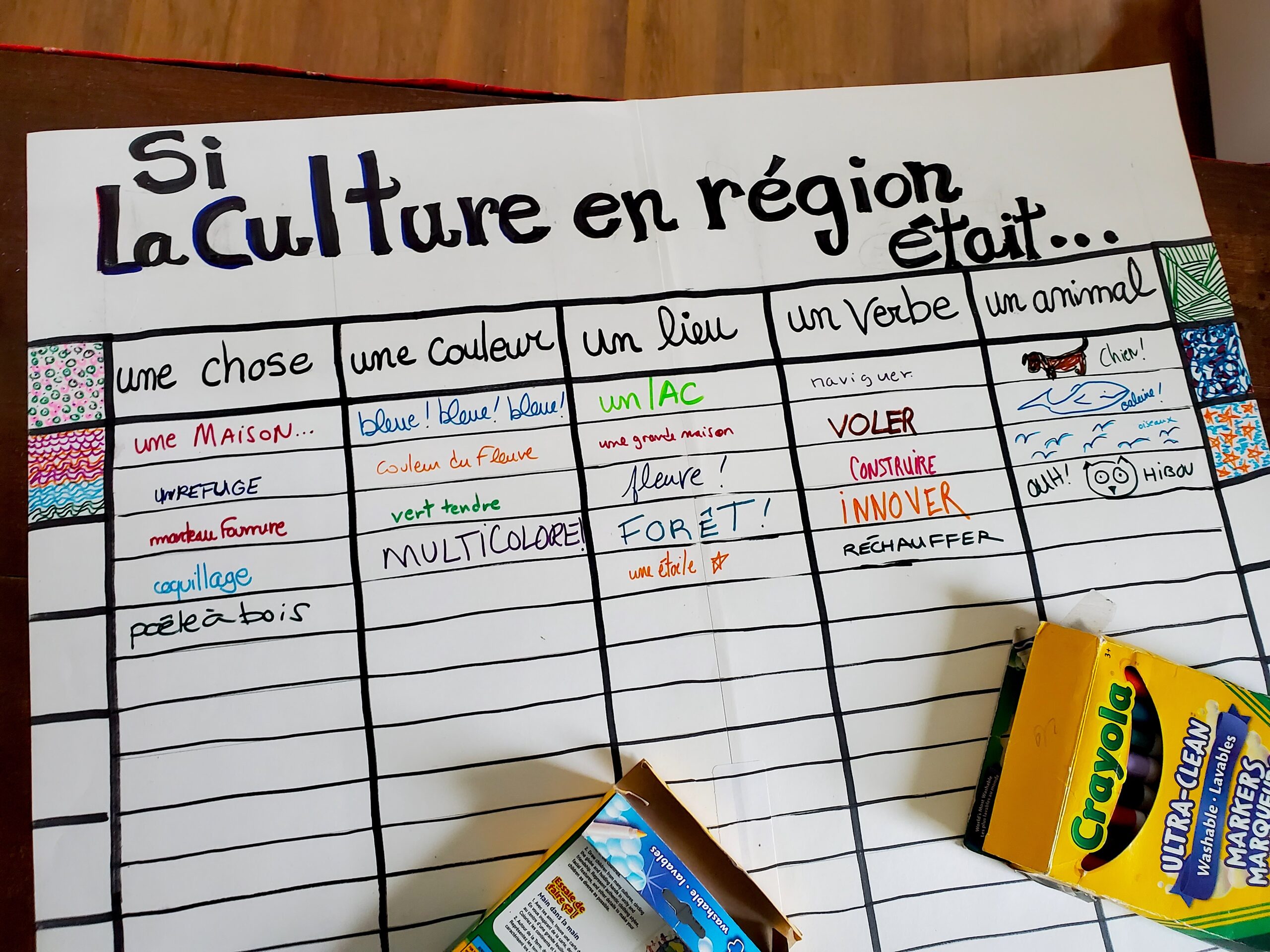
Defining the Concept of Regional Culture
The Culture in the Regions axis is leading a collective reflection on the meaning of regional culture. Through workshops, lectures, and study days, the initiative aims to strengthen dialogue between cultural practitioners, researchers, and citizens.
 Culture in the regions
13 June 2025
Nordic Museum Mission in Denmark
The Culture in the Regions Axis is collaborating on a pilot project led by a group of accredited museum institutions in Quebec.
News
14 January 2026
Scientific Poster Competition on Culture in the Regions
Culture in the regions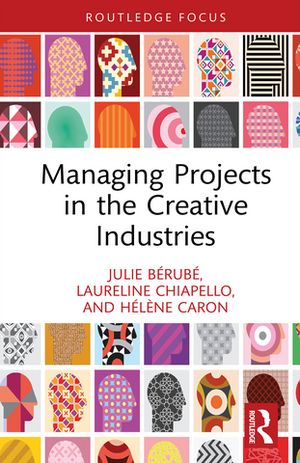
6 January 2026
New Publication with Routledge
Culture in the regions Digital Creativity
EVENTS
21 May 2026 – 22 May 2026
[ Sur inscription ]
Montréal
Culture in the regions Arts and Health
Digital Creativity
Arts and Health
Digital Creativity Discoverability
CREAT Conference, May 21-22, 2026
28 May 2026 – 29 May 2026
[ Upon registration ]
Outaouais
Culture in the regionsStudy Days on the Concept of Culture in the Regions
26 September 2025 – 28 September 2025
Culture in the regionsCitizen Consultation Workshops – Journées de la culture
Latest Podcasts & Videos
Perspectives and the Future of the Creative Economy
23 March 2026
Students from CREAT share their perspectives and research. From regional culture to the arts and health, as well as digital creativity and discoverability, these intersecting viewpoints offer an inspiring glimpse into the future of the creative economy and its impact on collective well-being.
Understanding the challenges of discoverability to make music accessible
16 March 2026
At the intersection of migration trajectories and Québec’s cultural ecosystems, this episode explores the priorities that should guide efforts around discoverability. Caroline Marcoux-Gendron, Affiliated Professor at the Université du Québec à Montréal, and Romuald Jamet, Associate Professor at INRS, discuss the distinctive features of Québec’s music landscape: its linguistic, institutional, and cultural dynamics, as well as the recognition biases that affect, among others, artists from immigrant backgrounds.
CREATivity in Action: Stories of Digital Practices
9 March 2026
Digital creativity is transforming the ways we produce and interact. Two researchers from CREAT—Philippe Vaucher, professor in the Unité d’enseignement et de recherche en création et nouveaux médias at the Université du Québec en Abitibi-Témiscamingue (UQAT), and Louis-Philippe Rondeau, also a professor at the École des arts numériques de l’animation et du design at the Université du Québec à Chicoutimi (NAD/UQAC)—shed light on current innovations in this field.
“L’écho des Plantes” : An Ecological and Poetic Opera
2 March 2026
Is it possible to create an opera with plants?
This episode takes you inside a groundbreaking artistic initiative.
Imagined in collaboration with teenagers, L’Écho des Plantss is a transdisciplinary opera that brings together living systems, the arts, and science in a dynamic dialogue.
Charlotte Gagnon (Manager of Social Action and Education at Opéra de Montréal / Co-founder and Co-Artistic & Executive Director of Productions Rigoletta) and Antoine Bellemare (multidisciplinary artist and postdoctoral researcher) take us behind the scenes of this collective creation, where emotions, plant signals, and words intertwine to shape a new way of listening to the world.
The CREAT Chairheaders
17 February 2026
This episode features four interviews with the headers of the Research Chair in Creative Economy and Well-Being (CREAT). Learn more about their backgrounds, areas of interest, and research.
Reflections on Social Design
13 January 2026
Produced in the wake of the symposium Beyond Social Innovation: Social Design?, this podcast extends the discussions by giving a voice to invited guests. It offers a broader perspective on reflections surrounding social design and its role in addressing contemporary social, cultural, and environmental challenges.
Enjoy listening!